
Frankensteining Your Mentors: Take the Good, Leave the Bad
You don’t have to admire everything about someone to learn from them. Borrow the best habits of imperfect mentors without inheriting their flaws.

Articles
Practical thinking for building a business that runs with clarity, control, and less dependence on its owner.
You don’t have to admire everything about someone to learn from them. Borrow the best habits of imperfect mentors without inheriting their flaws.

You don’t create company culture directly. You set guiding principles, demonstrate the right behaviours, and hold everyone, including yourself, to the same standards.
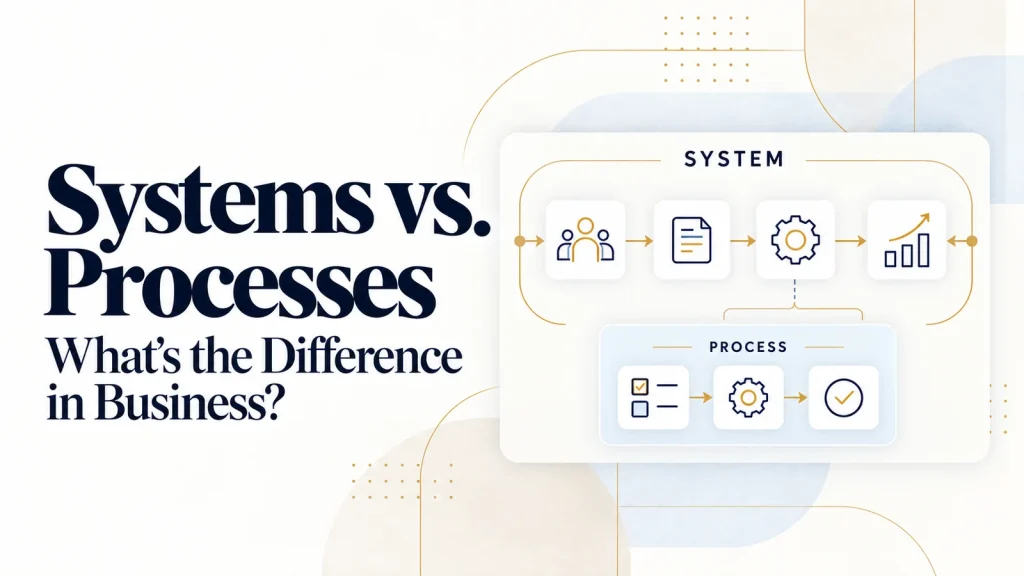
A system organizes the work. A process describes how part of that work gets done. Learn how systems, processes, SODs, and controls fit together in BOSS.

The 5 Whys is a simple way to get beneath business problems. Follow each answer one level deeper until you find the process, system, or decision worth fixing.

Employee turnover is a signal, not a diagnosis. Before changing pay, benefits or policies, trace the pattern back to the actual cause, including managers or the owner.

Most businesses keep adding priorities, projects and initiatives without deliberately removing anything. A Do-Not-Do List turns strategy into clear boundaries and helps a business maintain the discipline to focus on what matters most.

Measurement is essential to running a growing business. But when improving the metric becomes more important than improving the outcome it was designed to measure, good controls can start creating bad behaviour.

Most growth problems come down to two constraints: demand and delivery capacity. Here’s how to tell which one is limiting your business.

Delegation creates leverage, but it can also insulate leaders from reality. Why implementation is part of thinking and why feedback must travel back up.